Durable Device Selection
Prioritize reusable lockout devices, clear storage, and materials appropriate for each environment instead of creating short-lived one-off kits.
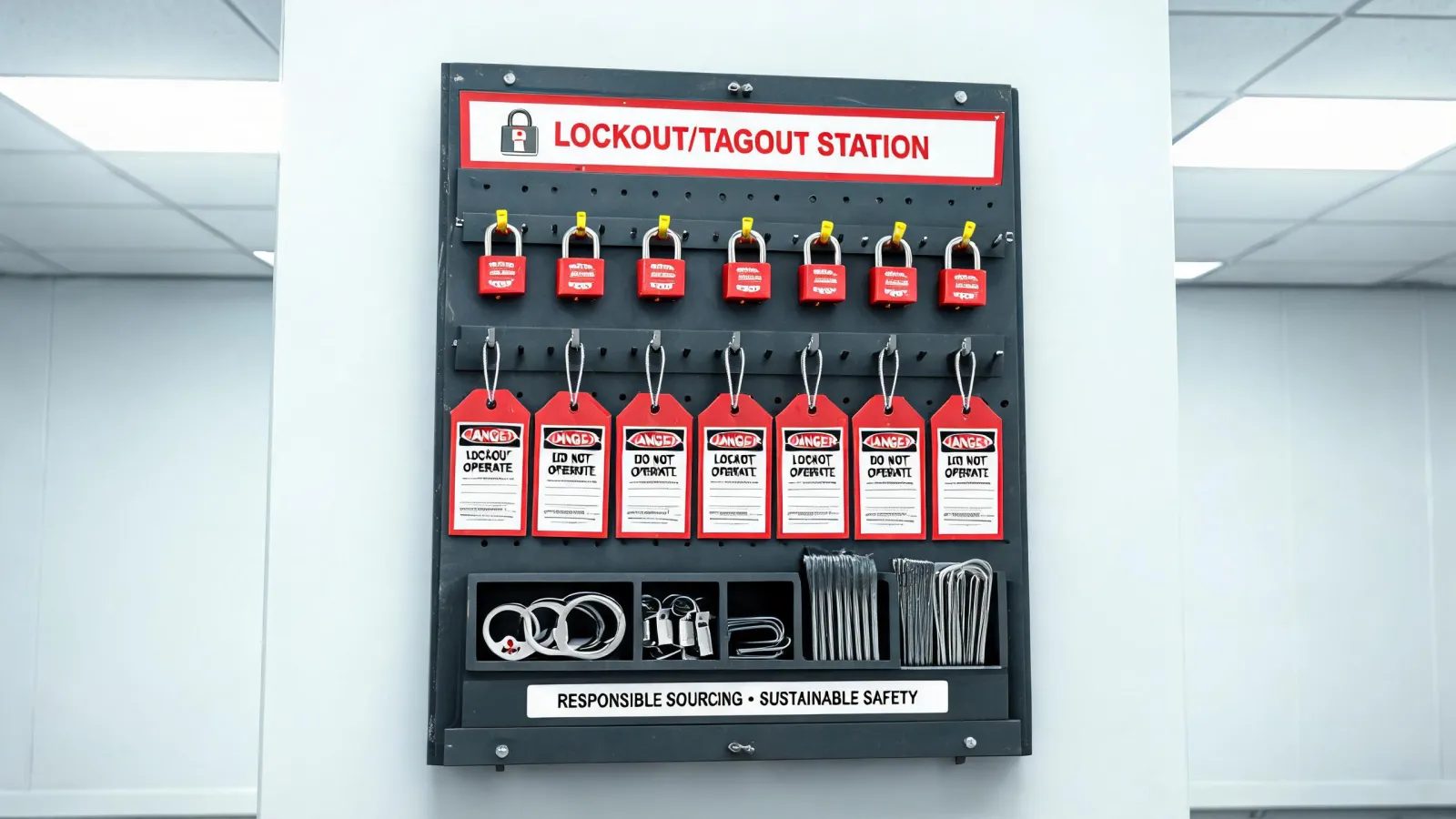
Lockout tagout sustainability is practical: choose durable devices, reduce emergency substitutions, keep labels clear, and make replenishment predictable.
For lockout tagout programs, sustainability should not be reduced to a decorative claim. It is a discipline of ordering the right durable items, keeping them in service, documenting alternates, and avoiding last-minute sourcing that creates waste and confusion. Master Lock program content helps buyers compare reusable stations, padlock families, replacement tags, and kit configurations in a way that supports long service life and cleaner purchasing records. The goal is not to promise a site will eliminate risk or waste. The goal is to make the product standard easier to understand, easier to replenish, and easier to review during annual program updates.
Prioritize reusable lockout devices, clear storage, and materials appropriate for each environment instead of creating short-lived one-off kits.
Use approved alternates and branch stocking notes to reduce emergency substitutions that can leave unused or incompatible items behind.
Keep annual review prompts, equipment changes, and kit updates in a repeatable file so programs can improve without losing product control.
These bars are planning indicators for a buyer program, not claims about a specific facility. They help teams see where the next responsible improvement belongs.
Responsible safety sourcing depends on clear, accurate documentation. Procurement teams can ask for product data, packaging notes, distributor replenishment records, and workplace compliance references without turning them into unsupported environmental claims.
Share the current products, substitutions, and branch stocking pain points. The response will focus on practical, documented improvements.